Florida homeowners know the pattern.
The sky darkens.
The afternoon rain begins.
Water collects around the yard.
Humidity climbs.
Then you start noticing things moving.
Ants near the kitchen.
Roaches in unexpected places.
Mosquitoes around the patio.
Maybe signs of rodents around a garage or storage area.
Coincidence?
Not necessarily.
Rain changes pest behavior.
For homeowners searching for pest control in Florida, understanding how wet weather affects insects and rodents can make it easier to protect the home during one of the state’s most active pest seasons.
Rain Can Force Pests Out of Their Usual Hiding Places
Many pests live outdoors.
So what happens when heavy rain floods the places where they’re hiding?
They move.
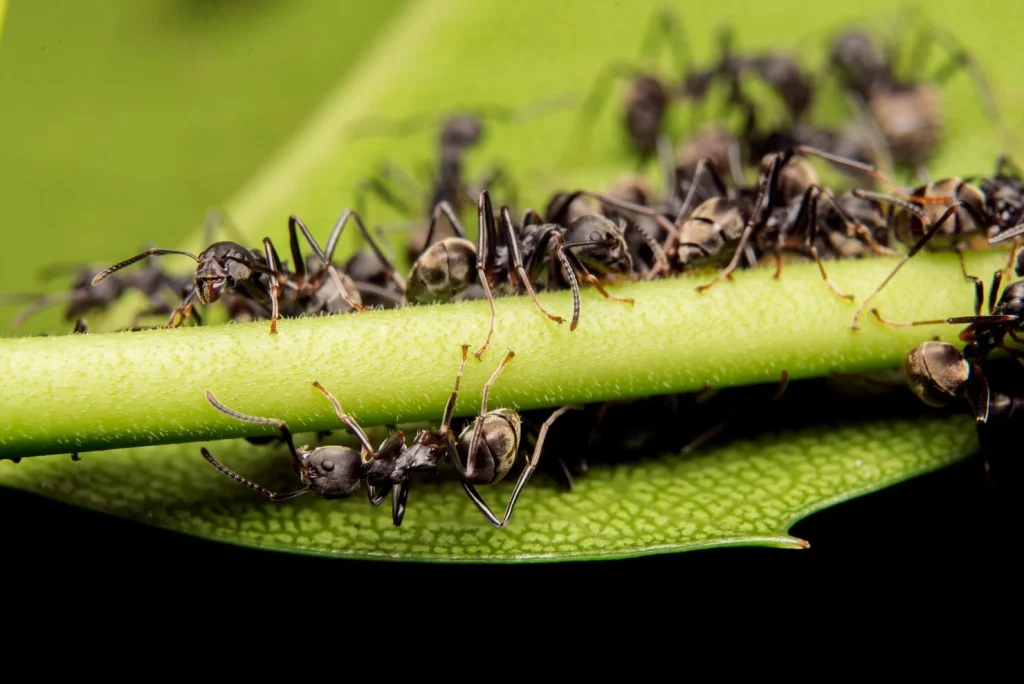
Ant colonies may be disturbed.
Insects sheltering in soil, landscaping, or debris may seek drier locations.
Rodents can also search for protected areas when outdoor conditions become unfavorable.
Your home provides exactly what many pests are looking for:
Shelter.
Food.
Water.
Stable conditions.
That’s why increased pest activity after significant rainfall isn’t always surprising.
If wet weather has brought unwanted visitors closer to your home, visit our Services page to learn more about professional treatments for ants, cockroaches, mosquitoes, rodents, termites, spiders, bed bugs, and other common Florida pests.
Standing Water Creates Mosquito Opportunities
Mosquitoes are one of the most obvious rainy-season concerns.
After a storm, inspect your property.
Water may collect in places you normally overlook:
- Buckets
- Flowerpot saucers
- Birdbaths
- Children’s toys
- Tarps
- Gutters
- Outdoor containers
- Low spots around the property
The U.S. Environmental Protection Agency recommends eliminating standing water in items such as gutters, buckets, covers, birdbaths, fountains, and plant trays as part of reducing mosquito problems.
You don’t need a pond to create mosquito habitat.
Small amounts of standing water can matter.
Moisture Gives Cockroaches What They Need
Cockroaches are remarkably adaptable.
Food gets much of the attention, but water matters too.
Leaks, condensation, damp areas, and humid conditions can make parts of a property more attractive.
The EPA notes that pests such as cockroaches and rodents depend on access to food, water, and shelter and recommends addressing these resources as part of an integrated approach to pest management.
Check beneath sinks.
Look around plumbing.
Don’t ignore dripping outdoor faucets.
Addressing moisture can support a broader pest control Florida strategy.
Ants May Suddenly Appear Indoors
An ant trail can seem to appear overnight.
Rain may disturb outdoor colonies or change available food and water sources, sending ants in new directions.
Once ants discover a reliable resource inside your home, the problem may continue even after the weather improves.
Cleaning the visible trail is useful, but it doesn’t necessarily address the colony.
Avoid assuming every ant problem can be solved by spraying the insects you see.
Correct identification can matter because different species may require different control strategies.
Check Doors and Windows After Stormy Weather
Pests need a way inside.
Inspect:
- Door sweeps
- Window screens
- Weather stripping
- Utility penetrations
- Gaps around pipes
- Garage doors
- Exterior openings
Small insects don’t need much space.
Rodents can also exploit surprisingly small gaps.
Exclusion is an important part of long-term pest management because reducing entry points makes it harder for outdoor pests to transition into indoor problems.
Integrated Pest Management Goes Beyond Spraying
Effective pest management isn’t simply about applying a product whenever an insect appears.
The U.S. Environmental Protection Agency describes Integrated Pest Management, or IPM, as an environmentally sensitive approach that combines information about pests with multiple management methods. IPM emphasizes monitoring, accurate identification, prevention, and appropriate control measures.
For more information, visit the EPA’s Integrated Pest Management Principles guide.
This approach makes sense for Florida properties because pest pressure doesn’t come from one source.
Food, moisture, landscaping, structural openings, sanitation, and weather can all contribute.
Rain Can Make Garage Areas More Attractive
Garages often create an easy transition between outdoors and indoors.
The garage door opens frequently.
Boxes provide hiding places.
Pet food may be stored there.
Exterior gaps can develop.
After periods of heavy rain, inspect the garage for pest activity.
Store food products in appropriate sealed containers.
Reduce clutter where practical.
Look for droppings, gnawing, insect activity, or other unusual signs.
Early detection can make pest problems easier to address.
Don’t Forget About Trash and Outdoor Food Sources
Rainy weather doesn’t eliminate food sources.
It can make messy areas even more attractive.
Keep garbage containers closed.
Clean spills.
Avoid allowing food waste to accumulate around outdoor areas.
If you feed pets outdoors, don’t leave food sitting out indefinitely.
The EPA recommends tightly sealing food and food scraps, removing garbage regularly, and avoiding leaving pet food and water out overnight as part of pest prevention.
Rodents Also Look for Shelter
Rodent concerns aren’t limited to winter.
Florida’s warm climate means rats and mice can remain active throughout the year.
Rain and changing outdoor conditions can encourage rodents to seek dry, protected shelter.
Potential entry points may occur around:
- Rooflines
- Garages
- Utility openings
- Doors
- Exterior gaps
- Attics
- Storage areas
If you notice droppings, gnaw marks, scratching sounds, or nesting materials, consider professional evaluation.
Termites Shouldn’t Be Ignored
Florida’s warm, humid environment is favorable to many insect species, including termites.
Homeowners sometimes focus on the pests they can immediately see and forget about those that may remain hidden.
Watch for suspicious signs around wood and structural areas.
Professional inspections and monitoring can help identify potential termite concerns that aren’t obvious during everyday household cleaning.
Don’t Overreact to Every Bug
Seeing one insect doesn’t always mean you have a major infestation.
Correct identification matters.
The EPA’s IPM framework specifically emphasizes monitoring and identifying pests before choosing a control strategy.
Some insects found around Florida properties are harmless or beneficial.
Others require attention.
When you’re unsure what you’re seeing, professional identification can help prevent unnecessary or ineffective treatment.
Professional Pest Control Can Target the Actual Problem
Different pests require different approaches.
Mosquito control isn’t rodent control.
Ant management isn’t termite management.
Cockroach treatment isn’t bed bug treatment.
A professional can identify the pest, evaluate where activity is occurring, and determine an appropriate response.
South Pest Control emphasizes proactive prevention, targeted treatments, and pest-management strategies designed around Florida’s year-round pest conditions.
To learn more about the company and its approach to protecting homes and businesses, visit our About Us page.
Commercial Properties Face Rainy-Season Pest Pressure Too
Restaurants, offices, warehouses, retail properties, multifamily buildings, and other commercial spaces can also experience increased pest pressure.
Commercial properties may have additional attractants such as:
- Deliveries
- Dumpsters
- Large storage areas
- Multiple entrances
- Food preparation
- Landscaping
- High foot traffic
A recurring pest issue can affect customers, employees, inventory, and the overall appearance of the business.
Professional pest control in Florida should account for how the property actually operates rather than relying on a one-size-fits-all approach.
September Is a Good Time to Inspect Your Property
Florida’s wet season and Atlantic hurricane season overlap.
That makes September a useful time to look around the property for conditions that may encourage pests.
Walk the exterior.
Empty standing water.
Inspect screens.
Check door sweeps.
Look for plumbing leaks.
Clean up debris.
Trim excessive vegetation.
Secure garbage.
Look for new gaps.
These simple observations can support professional pest-control efforts.
Local Knowledge Matters With Florida Pests
Pest activity can vary based on climate, season, landscaping, property type, and location.
Working with professionals familiar with Florida pest patterns can make it easier to identify what you’re dealing with and why it may be occurring.
If you’re looking for pest control Florida homeowners and businesses can rely on in your community, visit our Service Area page to learn more about South Pest Control’s coverage and available services.
Keep Rainy-Season Pests Outside Where They Belong
Florida’s rainy season creates changing conditions for insects and rodents.
Heavy rain can disturb outdoor habitats.
Standing water can support mosquito activity.
Moisture can make areas more attractive to cockroaches and other pests.
Vegetation can provide shelter.
Small exterior gaps can create entry points.
The best response isn’t simply waiting for the weather to dry out.
Combining sanitation, moisture control, exclusion, monitoring, and targeted professional treatment can provide a more complete approach.
South Pest Control provides pest control in Florida for homeowners and businesses dealing with ants, cockroaches, mosquitoes, rodents, termites, spiders, bed bugs, and other unwanted pests.
If you’re noticing increased activity after heavy rain or want proactive pest control Florida services before a small issue becomes more difficult to manage, now is a good time to have your property evaluated.
Contact South Pest Control today to schedule professional pest control service and get a customized plan designed to reduce pest activity, address conditions around your property, and help keep unwanted insects and rodents outside where they belong.