You spot ants in the kitchen and clean them up. A few weeks later, they’re back. You see a cockroach, treat the area, and assume the problem is solved, only to discover another one later. Maybe rodents seem to disappear for a while before signs of activity return.
Recurring pest problems are frustrating because it can feel like nothing works. In many situations, however, the issue isn’t simply that the pests “came back.” The conditions that allowed them to thrive may never have changed.
Florida’s warm climate, moisture, vegetation, and year-round activity can create favorable conditions for many common pests. Effective southeast florida pest control therefore involves more than reacting to the insect or rodent you happen to see. It starts with understanding what is attracting the pest, how it is getting inside, and what conditions are helping it remain on the property.
If you’re dealing with recurring activity, visit our Services page to learn more about professional pest inspection, prevention, and treatment options available through South Pest Control.
Pests Are Usually Looking for Basic Resources
Pests don’t choose a home because they like the décor. They’re generally looking for resources that help them survive.
Food.
Water.
Shelter.
Access.
The U.S. Environmental Protection Agency explains that pests such as cockroaches, rodents, and mosquitoes need food, water, and shelter. Preventive measures such as sealing food, removing garbage, correcting plumbing leaks, and eliminating standing water can therefore play an important role in pest management.
This is why simply killing the pests you see may not produce a lasting solution. If their food, moisture, shelter, and entry points remain available, the property can continue being attractive to them.
Moisture Can Keep Pest Activity Going
Florida homeowners already deal with a humid climate, but unnecessary moisture around the property can make pest conditions worse.
Leaking pipes, dripping faucets, standing water, clogged drainage areas, plant trays, outdoor containers, and other water sources can provide pests with moisture. The EPA specifically recommends fixing leaky plumbing and removing standing water from gutters, buckets, fountains, bird baths, plant trays, and other containers as part of pest prevention.
This makes moisture control an important companion to south florida pest control. Pest treatment can address existing activity, while correcting water sources can help make the property less inviting afterward.
Tiny Entry Points Can Create Big Problems
A pest doesn’t need an open front door to get inside.
Gaps around doors and windows, damaged screens, openings around utility lines, cracks, vents, roofline gaps, and other small access points can provide routes into a structure. Once inside, pests may find protected areas where they can hide and reproduce without being immediately noticed.
EPA guidance on indoor pest management specifically recommends sealing areas where pests enter buildings and using physical barriers as preventive strategies.
Inspecting the exterior of the property should therefore be part of a broader pest-prevention plan rather than relying exclusively on interior treatment.
Food Sources Aren’t Always Obvious
Most homeowners know that leaving food on the counter can attract pests. Less obvious sources can be just as important.
Crumbs beneath appliances, grease residue, open pantry items, pet food, garbage, recycling containers, outdoor grills, fallen fruit, and improperly stored food can all provide opportunities.
EPA pest-prevention guidance recommends storing food and scraps securely, regularly removing garbage, and avoiding leaving pet food and water out overnight.
The goal isn’t to make a home laboratory-clean. It’s to reduce easily available food sources that can support ongoing pest activity.
Clutter Creates Places for Pests to Hide
Pest prevention isn’t only about cleaning food surfaces. Shelter matters too.
Stacks of cardboard boxes, paper bags, storage clutter, unused materials, and crowded spaces can create hiding areas that are difficult to inspect. The EPA specifically identifies clutter reduction as one way to make indoor environments less favorable to pests.
Garages, storage rooms, utility areas, sheds, and rarely disturbed spaces deserve particular attention because pest activity may remain unnoticed there longer.
If your property has experienced repeated infestations, a professional inspection can help identify areas that may be contributing to the problem.
Outdoor Conditions Can Affect Indoor Pest Activity
Your pest-control strategy shouldn’t stop at the exterior wall.
Vegetation, standing water, debris, trash containers, outdoor food sources, and other conditions around the property can influence pest activity close to the home. Once pests establish themselves nearby, available entry points can make it easier for them to move indoors.
This is especially relevant when planning southeast florida pest control, where year-round outdoor conditions can support ongoing insect and rodent activity.
Keeping vegetation maintained, addressing water accumulation, managing waste properly, and monitoring areas near the foundation can complement professional pest-control efforts.
Correct Identification Matters
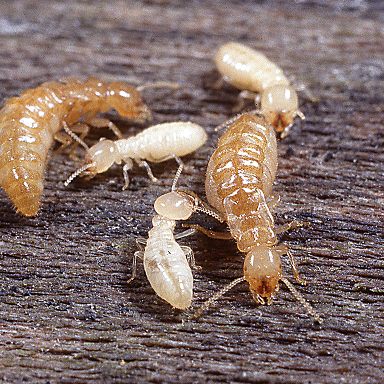
Seeing “a bug” isn’t always enough information to choose the right response.
Different pests have different behaviors, food sources, nesting areas, life cycles, and control methods. Treating the wrong pest or using an approach that doesn’t address its behavior can waste time while the infestation continues.
The EPA’s Integrated Pest Management principles emphasize monitoring and accurate pest identification before choosing control methods. The agency notes that not every insect or organism requires control and that proper identification helps prevent unnecessary or inappropriate pesticide use.
Professional south florida pest control can begin with determining what pest is actually present and where the activity is concentrated.
Prevention and Treatment Work Better Together
Integrated Pest Management, commonly called IPM, is based on combining multiple pest-management strategies instead of depending on one method.
According to the EPA, IPM involves evaluating pest conditions, monitoring and identifying pests, using prevention as a first line of defense, and selecting appropriate control methods when intervention is necessary.
Homeowners can learn more through the EPA’s Integrated Pest Management Principles, which explains how monitoring, prevention, identification, and targeted control can work together.
This approach helps explain why recurring pest problems often require more than spraying visible insects. Treatment addresses current activity, while prevention addresses conditions that may contribute to future activity.
Pest Activity Can Change With the Property
A home isn’t a static environment. Landscaping grows. Weather changes. Plumbing develops leaks. Screens become damaged. Doors shift. New storage gets added to garages. Construction or remodeling may create temporary openings.
That means a property that had few pest problems previously can develop new vulnerabilities over time.
Regular inspection can help identify those changes. Homeowners should pay attention to recurring pest sightings, droppings, gnaw marks, damaged packaging, unusual odors, nesting materials, insect wings, trails, or other signs that may indicate activity.
To learn more about the company and our approach to pest management, visit our About Us page for information about South Pest Control and the communities we serve.
Don’t Wait for a Small Problem to Become Established
One occasional insect doesn’t always indicate an infestation. At the same time, repeated sightings shouldn’t automatically be dismissed.
Patterns matter.
If the same type of pest repeatedly appears in the same area, activity increases, or additional signs become visible, it may be time for a closer inspection. Early attention can make it easier to identify where pests are entering or what conditions are supporting them.
Professional pest management can also help homeowners avoid randomly applying different products without understanding the underlying problem.
Florida Pest Control Should Reflect Local Conditions
Pest pressure can vary by location, property type, season, surrounding environment, and building conditions. A waterfront property, suburban home, commercial facility, and heavily landscaped residence may face different challenges.
That is one reason working with pest professionals familiar with Florida conditions can be useful. Local experience can help identify common pest pressures and determine which parts of the property deserve closer attention.
If you’re searching among pest control companies in Florida and want to determine whether service is available in your community, visit our Service Areas page to explore locations served by South Pest Control.
Make Your Property Less Inviting Between Services
Professional treatment is only part of maintaining a pest-resistant property. Homeowners can support ongoing pest management by correcting leaks, removing standing water, storing food properly, keeping garbage controlled, reducing clutter, maintaining screens, and addressing visible openings where pests may enter.
The EPA’s pest-management guidance emphasizes many of these same preventive measures, particularly removing food, water, and shelter and blocking access into structures.
These steps don’t guarantee that a Florida property will never experience another pest, but they can remove conditions that make recurring activity easier to sustain.
Stop Treating Only the Pests You Can See
Recurring pest problems often continue because the visible pest is only one part of the situation. Food, water, shelter, entry points, landscaping, clutter, moisture, and hidden nesting areas can all contribute to continued activity.
A more complete strategy begins with identifying the pest and inspecting the property. From there, homeowners can address conducive conditions, block entry points where practical, improve sanitation and moisture management, and use appropriate professional treatment when necessary.
Contact South Pest Control today for professional southeast florida pest control and south florida pest control services designed around the conditions affecting your property. If you’re comparing pest control companies in Florida, talk with our team about your recurring pest concerns and schedule an inspection so we can help identify the problem, address active pests, and develop a practical strategy for protecting your home.