The doors are closed.
The windows are shut.
You keep the house clean.
Yet there’s a cockroach in the bathroom.
Ants near the kitchen.
Or scratching somewhere you definitely don’t want to hear scratching.
How did they get inside?
Pests don’t need an invitation.
And they certainly don’t need the front door left wide open.
Many insects can use extremely small gaps, while rodents may take advantage of openings around roofs, garages, utility penetrations, vents, and other vulnerable parts of a structure.
For Florida homeowners, identifying these entry points can be an important part of long-term pest management.
Start With Doors
A closed door isn’t necessarily a sealed door.
Stand inside near an exterior door during daylight.
Can you see light around the edges?
If so, there’s a gap.
Worn weatherstripping and damaged door sweeps can leave enough space for insects and other pests to enter.
Pay particular attention to:
- Front doors
- Back doors
- Garage entry doors
- Sliding doors
- Utility-room doors
Replacing deteriorated seals can help reduce opportunities for pests while also improving the building envelope.
If pests are already appearing indoors, visit our Services page to learn more about South Pest Control’s residential and commercial treatments for ants, cockroaches, rodents, mosquitoes, termites, spiders, bed bugs, and other common Florida pests.
Check Around Windows
Window screens are useful.
But they’re only useful when they’re intact.
Look for:
Tears.
Loose edges.
Damaged frames.
Gaps.
Missing screens.
Also inspect the areas around window frames.
Small exterior cracks can provide entry points even when the window itself stays closed.
You don’t need to become obsessed with every tiny cosmetic imperfection.
Focus on openings that connect the exterior environment with interior spaces or wall cavities.
Utility Lines Create Openings
Your home contains numerous lines and pipes that pass through exterior walls.
Air-conditioning lines.
Cable.
Internet.
Electrical.
Plumbing.
Irrigation components.
Each penetration creates an area that needs to be appropriately sealed.
Over time, sealants can deteriorate or gaps may become noticeable.
Inspect these areas periodically.
Pest exclusion often involves addressing these structural access points rather than simply spraying wherever an insect was last seen.
Plumbing Areas Deserve Attention
If cockroaches repeatedly appear beneath a sink, don’t assume they’re coming through the drain.
Look around the pipes.
Cabinet openings around plumbing lines can create pathways between wall voids and living spaces.
The same applies in:
Bathrooms.
Laundry rooms.
Utility rooms.
Kitchens.
Sealing appropriate gaps can reduce movement between hidden areas and occupied rooms.
The Garage Is an Easy Entry Point
Garage doors create large openings.
Even when closed, gaps can develop around the bottom or sides.
And every time the garage opens, outdoor pests have an opportunity to enter.
Then they may move from the garage into the home.
Reduce clutter.
Keep food and pet food properly stored.
Inspect seals.
And avoid leaving the garage door open unnecessarily.
Garages often become a transition zone between outdoor pest activity and indoor living spaces.
Rooflines and Attics Can Provide Access
Not every pest enters at ground level.
Rodents and other animals may access roofs using:
Trees.
Fences.
Utility lines.
Nearby structures.
From there, openings around rooflines, vents, soffits, or other components may provide access to attic spaces.
If you hear movement overhead, don’t simply place traps randomly and assume the problem is solved.
The entry point matters.
Without addressing how pests are getting inside, new activity may continue.
Trim Vegetation Near the House
Landscaping adds beauty.
It can also create pest pathways.
Branches touching the roof can provide access for certain pests.
Dense vegetation pressed against exterior walls can create sheltered areas.
Overgrown shrubs may also make it difficult to inspect the foundation and exterior.
Keep landscaping reasonably maintained and consider trimming branches away from the structure when appropriate.
This doesn’t mean creating a bare yard.
The goal is simply avoiding unnecessary bridges and hiding places immediately against the home.
Firewood and Stored Materials Can Attract Pests
Stacks of wood, cardboard, building materials, and unused items can create shelter.
Avoid placing firewood directly against the house.
Keep stored materials organized.
Reduce unnecessary clutter near exterior walls.
Pest management often becomes easier when you remove places where pests can hide close to the structure.
Moisture Can Encourage Pest Activity
Pests need water.
A dripping hose bib.
Leaking irrigation.
Standing water.
A plumbing leak.
Clogged drainage.
These conditions can make parts of the property more attractive to insects and rodents.
The U.S. Environmental Protection Agency’s Integrated Pest Management principles emphasize prevention strategies such as eliminating sources of food, water, and shelter before relying solely on control measures.
For more information, homeowners can review the EPA’s official Integrated Pest Management (IPM) Principles.
This prevention-focused approach is one reason professional florida pest control services should consider property conditions in addition to treating active pest populations.
Food Sources Aren’t Always Obvious
Your kitchen may look clean.
But pests don’t require a full plate of leftovers.
Crumbs beneath appliances.
Pet food.
Grease.
Open pantry packages.
Garbage.
Recycling residue.
Outdoor trash.
All can provide food.
Store dry goods appropriately.
Clean spills.
Don’t leave pet food sitting out unnecessarily.
And keep garbage containers properly managed.
Reducing food sources makes the property less inviting.
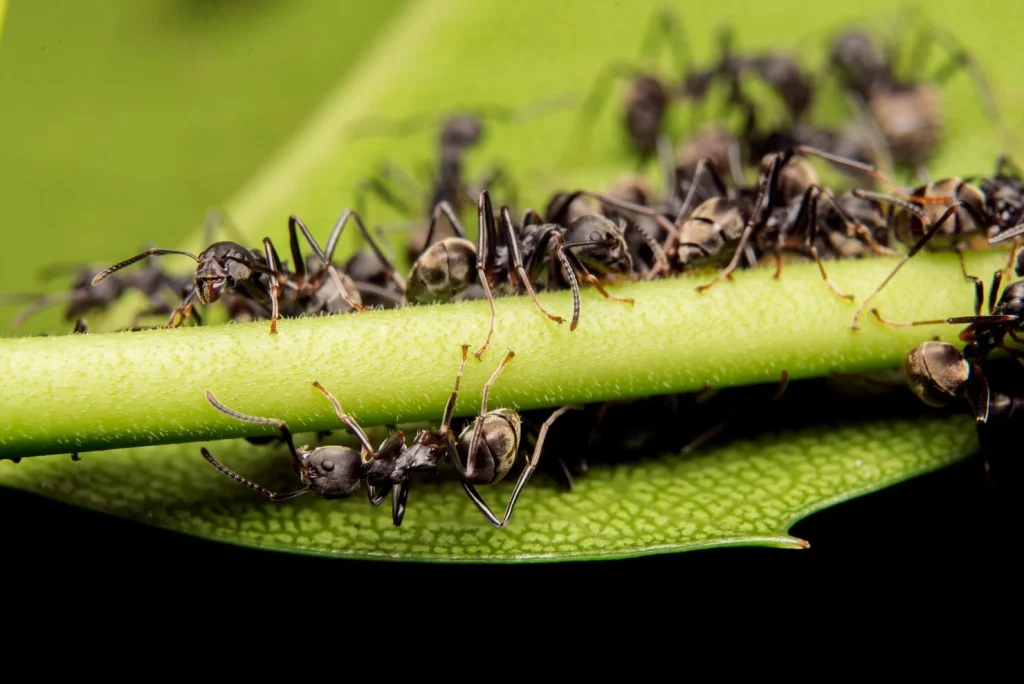
Ant Trails Can Reveal Entry Points
If you see ants, don’t immediately wipe away the trail without observing where it leads.
Follow it carefully.
You may discover an entry point near:
A window.
Baseboard.
Door.
Utility penetration.
Cabinet.
Wall opening.
That information can help identify where activity originates.
Different ant species also behave differently, so correct identification matters when determining an appropriate treatment strategy.
Rodent Entry Points May Be Higher Than You Expect
When looking for mouse or rat entry points, homeowners often inspect only the foundation.
Don’t stop there.
Rodents can climb.
Rooflines, soffits, attic vents, garage areas, and other elevated openings may deserve inspection.
Signs can include:
Droppings.
Gnaw marks.
Noises.
Damaged materials.
Nesting.
If you suspect rodent activity, avoid handling contaminated materials without appropriate precautions.
Professional assistance may be appropriate for both control and exclusion.
Termites Are a Different Kind of Entry Problem
Termites don’t necessarily enter through the same obvious gaps as rodents or cockroaches.
Subterranean termites can move from soil toward structures, while other termite species may behave differently.
Termite prevention and treatment require specialized knowledge.
Don’t assume ordinary perimeter pest treatment provides complete termite protection.
Ask specifically about termite inspection, monitoring, and treatment options.
Screens and Vents Need to Remain Functional
Vents exist for a reason.
Don’t simply seal every opening you find.
Some components need airflow.
Instead, damaged screens or protective materials should be appropriately repaired while preserving the intended function of the vent.
When uncertain, consult the appropriate building professional or pest-control provider.
Exclusion should solve one problem without creating another.
Professional Pest Control Should Begin With Identification
Effective treatment depends on knowing what you’re dealing with.
An ant isn’t simply an ant.
A roach isn’t simply a roach.
Rodent species and behavior differ.
Professional technicians can identify pest activity and recommend treatments based on the actual problem.
To learn more about South Pest Control and its approach to Florida pest management, visit our About Us page.
Why Local Florida Experience Matters
Florida pest pressure is different from what homeowners experience in many colder climates.
Warm temperatures.
Humidity.
Heavy rainfall.
Dense vegetation.
Long growing seasons.
These conditions can support pest activity for much of the year.
That’s one reason homeowners comparing pest control companies in florida should consider whether a provider understands local species and seasonal patterns.
South Pest Control provides residential and commercial pest-control solutions designed around Florida conditions.
Inspect the Exterior Periodically
You don’t need to wait until insects appear in the kitchen.
Walk around your property occasionally.
Look at:
Door seals.
Windows.
Utility penetrations.
Exterior cracks.
Vents.
Garage doors.
Roofline areas visible from the ground.
Vegetation.
Standing water.
Trash areas.
Catching a developing issue early can be easier than dealing with an established indoor pest problem.
If you need professional pest management in your community, visit our Service Area page to explore the Florida locations served by South Pest Control.
Stop Giving Pests an Easy Way Inside
Keeping your doors closed is a good start.
It isn’t the entire pest-prevention strategy.
Florida pests can enter through small structural gaps, plumbing penetrations, utility openings, damaged screens, garages, rooflines, vents, and other vulnerable areas.
Inspect those locations.
Reduce moisture.
Manage food sources.
Trim vegetation.
Keep storage organized.
And address active pest problems with appropriate identification and treatment.
Professional florida pest control services should look beyond the pest you happen to see and consider the conditions allowing activity to continue.
When comparing pest control companies in florida, choose a provider that understands local pest behavior, prevention, exclusion, and targeted treatment.
Contact South Pest Control today to schedule professional pest service for your Florida home or business. Let our team identify the pests you’re dealing with, evaluate conditions that may be contributing to the problem, and develop a practical treatment and prevention strategy for your property.